Free Patient Education Resources
Help Your Patients Stay Safe at Home After Discharge
Give clear, simple instructions your patients and caregivers can actually follow—before they leave.
Discharging Patients Home Shouldn’t Feel This Uncertain
Transitions from a hospital stay or a skilled nursing facility to home is one of the most critical moments in care—and one of the easiest places for things to go wrong.


More than half of falls among older adults happen at home
Medication changes can create confusion
Patients and caregivers often forget key instructions
Even in familiar environments, small gaps in understanding can lead to serious consequences.
Save time. Reduce confusion.
Support safer transitions home.
Download it free

When Instructions Aren’t Clear, Patients Are at Risk
When education is rushed or inconsistent:
- Patients may make preventable mistakes at home
- Caregivers feel unsure about what to do
- Avoidable complications and even readmissions can happen
You want to know your patients are truly prepared before they leave.
A Simple Tool to Make Patient Education Clear and Consistent.
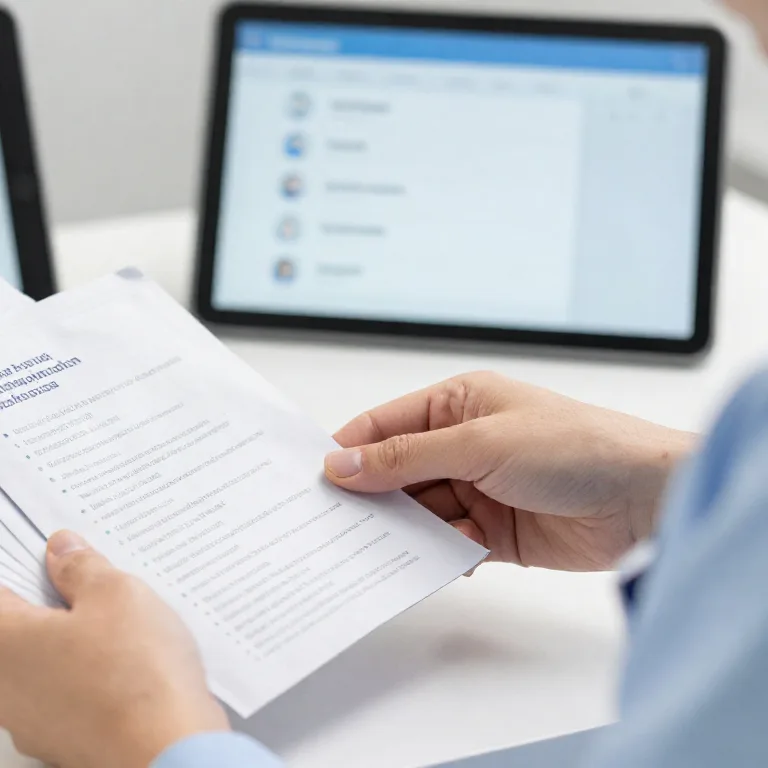
The “5 Steps to Stay Safe at Home” flyer gives you a structured, easy-to-use tool to guide patients and caregivers through the most important safety steps.
Designed for you so you’ll know exactly how to use it—even during a busy shift.
With this resource, you can:
- Deliver clear, consistent education in minutes
- Help patients understand what to do once they’re home
- Feel confident your teaching actually stick
Note: 5 Steps to Stay Safe at Home does not replace clinical fall risk assessment, including evaluation of fall history, medications, and cognitive status, or individualized care planning.

How It Works
1. Download the Free Tool
Get instant access to the flyer.
2. Use It at the Bedside
Walk patients and caregivers through the 5 simple steps.
3. Send Patients Home with Confidence
Know they have clear, practical guidance to stay safe

Start Using the Free Tool Today
Get the “5 Steps to Stay Safe at Home” flyer that shows you exactly how to use it in real patient interactions.
- Free download
- Simple, easy-to-follow format
- Designed for real clinical workflows
Built for Real-World Patient Needs
We’re expanding this tool to better support nurses working with limited English proficiency (LEP) patients and caregivers.
When you sign up, you’ll also get:
- Early access to translated versions (Espanola, Simplified Chinese, Vietnamese, and Laos)
- Updates on an upcoming continuing education (CE) training
- Practical strategies for communicating across language barriers


Created to Support Nurses Like You
-
You care about what happens after your patients leave the hospital or a facility to home. You want something to work.
This tool is designed to make patient education simpler, clearer, and more effective without adding more to your workload.
Because understanding alone isn’t enough. Participation is what leads to safer outcomes.
FAQs
Is this really free?
Yes. Enter your email to get instant access to the 5 steps to Stay Safe at Home flyer.
How long does it take to go through The 5 Steps?
The flyer typically takes 10–15 minutes. It can be completed in a single session or broken into smaller segments based on patient needs, attention span, and discharge workflow.
Is the 5 Steps appropriate for family members and caregivers?
This material is intended for patients transitioning from acute or post-acute care to home. Family members and caregivers are encouraged to participate in the 5-step review to reinforce safety strategies and support implementation
Can I share The 5 Steps with others?
Yes, you’re welcome to share it with colleagues, caregivers, or anyone who may benefit.
Will there be more resources?
Yes—this tool is available in multiple languages, including Spanish, Simplified Chinese, Vietnamese, and Lao, to better support patients and caregivers across language barriers. For deeper guidance, an on-demand 1.0 CE training module is available.


Don't Leave Patient Safety to Chance.
info@novusnurseconsult.com